

Safety Certificate in Mississauga: What Gets Checked and How to Choose the Best Shop
A safety certificate is a pass or fail inspection to a provincial standard. Here is what it covers, when you need one, and how to pick the right shop.
A Safety Standards Certificate confirms that your vehicle met Ontario’s minimum safety standards on the day it was inspected.
It is valid for 36 calendar days from the inspection date, it can only be issued by a licensed inspection station, and it is not a warranty or a statement that the car is in good condition. The best safety certificate in Mississauga is the one done by a shop that inspects to the standard, tells you exactly what failed and why, and lets you decide where the repairs get done.
When do you actually need a safety certificate?
Ontario does not require an annual safety inspection for personal passenger vehicles. You need a certificate in four specific situations: transferring ownership of a used vehicle to someone who is not your spouse, registering a vehicle brought in from another province or country, registering a rebuilt vehicle, and changing a vehicle’s status from unfit to fit. Outside those moments, no certificate is required.
That matters because it is a common misunderstanding. You can buy a used car without one. What you cannot do is put plates on it and register it in your name without a valid certificate when the transfer is from a non spouse. In practice, that means you need one before you can legally drive the car you just bought.
What does the 36 day rule mean in practice?
The certificate is valid for 36 calendar days from the date of inspection, not from the date of sale. If it expires before the registration goes through, you pay for a new inspection. This trips up private sales more than anything else. If a seller hands you a certificate that was issued three weeks ago, you have roughly two weeks left to complete the transfer at ServiceOntario. Check the date on the certificate before you agree to anything, and plan the inspection close to the date you intend to register.
What gets checked during a safety inspection?
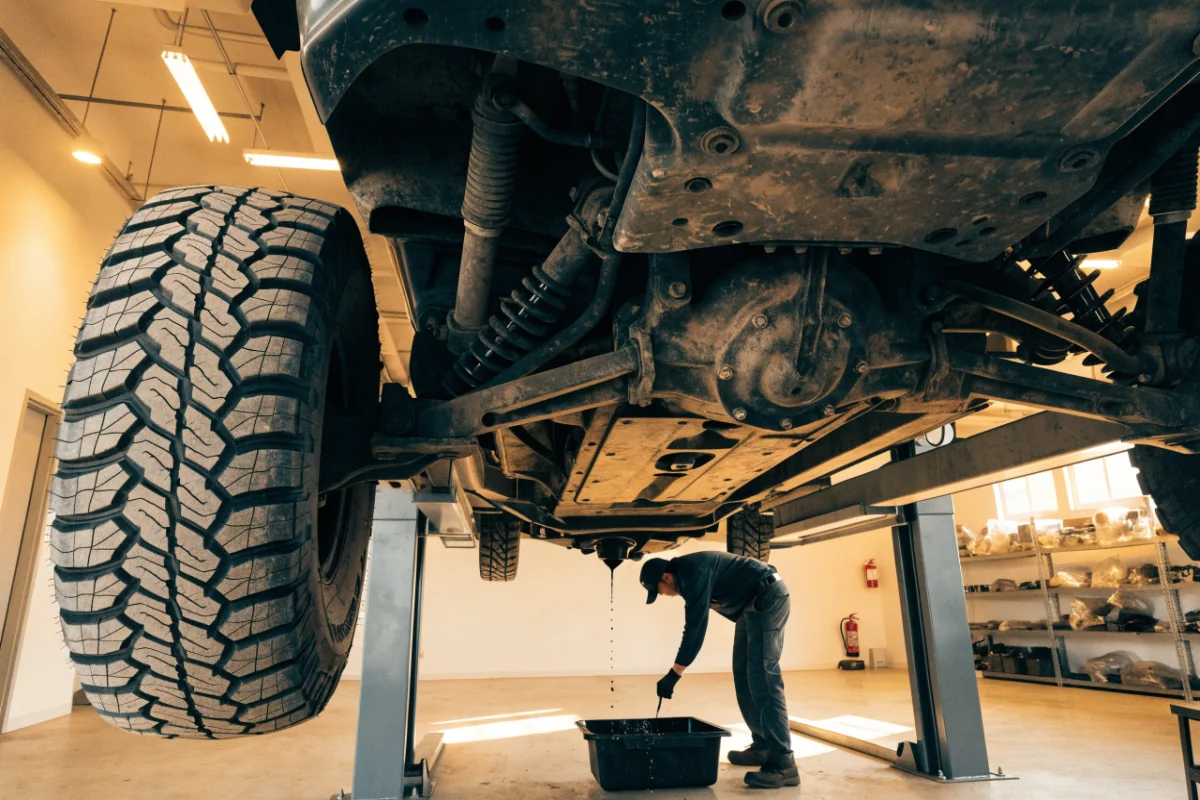
The inspection follows a provincial standard, and a shop cannot lower it because you are in a hurry. The main areas are brakes, including pads, rotors, lines and the parking brake; steering and suspension components, checked for play and wear; tires, including tread depth and condition; lights and electrical, meaning every exterior lamp, signal, and the horn; the exhaust system, checked for leaks and secure mounting; glass and mirrors, including wiper condition and any windshield damage in the driver’s line of sight; the seat belts and their anchorages; and the body and frame, checked for structural rust or damage.
It is worth saying clearly what the inspection is not. It does not check the engine’s mechanical condition, the transmission, the air conditioning, or whether the car will be reliable next month. A car can pass a safety and still need a timing belt. Passing means it met a minimum safety bar on that specific day.
Why does the best safety certificate in Mississauga come with a written fail list?
If a vehicle fails, you should walk out with a written list of every item that failed and why. That document is your protection. It lets you get a second quote on the repairs, decide which ones you want done, and check that what you paid for matches what actually failed. A shop that tells you verbally that it needs “brakes and some suspension work” and quotes a lump sum has given you nothing to verify.
You are also not obligated to have the repairs done at the shop that inspected the car. You can take the fail list elsewhere, get the work done, and return for a re inspection. A shop that pushes back hard on that is telling you something about how it makes its money.
How much should it cost, and why do prices vary?
Pricing for the inspection itself is not regulated in Ontario, so it varies by shop, commonly falling in a range of roughly sixty to a hundred and fifty dollars for a typical passenger car, with larger vehicles costing more. Any repairs needed to pass are separate and on top. Be cautious of a very low advertised inspection price, since the inspection itself takes real time on a hoist and the shop has to make that time back somewhere.
How do you avoid getting overcharged?
Three habits protect you. First, ask for the written fail list before you approve any repair work. Second, if the list is long or expensive, get a second opinion, and remember the certificate has to come from a licensed station but the repairs do not have to be done by that same station. Third, if you are buying a used car, consider having a pre purchase inspection done as a separate service before you commit, because it looks at the things a safety inspection deliberately ignores, like engine condition and hidden repair history.
What if my car fails?
A fail is not a disaster. It is a list. Work through it in order of what actually matters, ask the shop to distinguish between items that failed the standard and items they simply noticed, and get the failed items quoted individually rather than as one number. Once the work is done, the vehicle is re inspected and, assuming it passes, the certificate is issued with a fresh 36 day window starting that day.
The bottom line
A safety certificate is a snapshot, not a guarantee, and the shop you choose determines whether that snapshot is honest. Look for a licensed station that inspects to the standard, hands you a written list either way, and does not tie the certificate to having the repairs done there. Our safety certificate service in Mississauga works to Ontario Ministry of Transportation standards with a written quote before any repair begins. Call FastLane Mechanics at (905) 624-4646 to book an inspection.