

Do Electric Cars Need Maintenance? An EV Owner's Guide
EVs need less maintenance than gas cars, but not zero. Here is what still needs looking after.
Do electric cars need maintenance?
Yes, just less of it than a gas car. Electric vehicles have far fewer moving parts and no engine oil, spark plugs, or exhaust system to service, so they skip several of the jobs that fill a traditional maintenance schedule. But they are not maintenance-free. Tires, brakes, cabin filters, coolant, and the battery all still need attention. Here is what an EV genuinely needs, and what it lets you forget.
What EVs let you skip
The biggest savings come from what an electric motor does not have. There is no engine oil, so no oil changes. There are no spark plugs, no timing belt, no exhaust or muffler, and no fuel filters or emissions system to maintain. This is a real reduction in routine servicing and one of the genuine ownership savings of going electric. It is why the myth that EVs need no maintenance took hold, but skipping oil changes is not the same as needing nothing.
Tires need more attention, not less
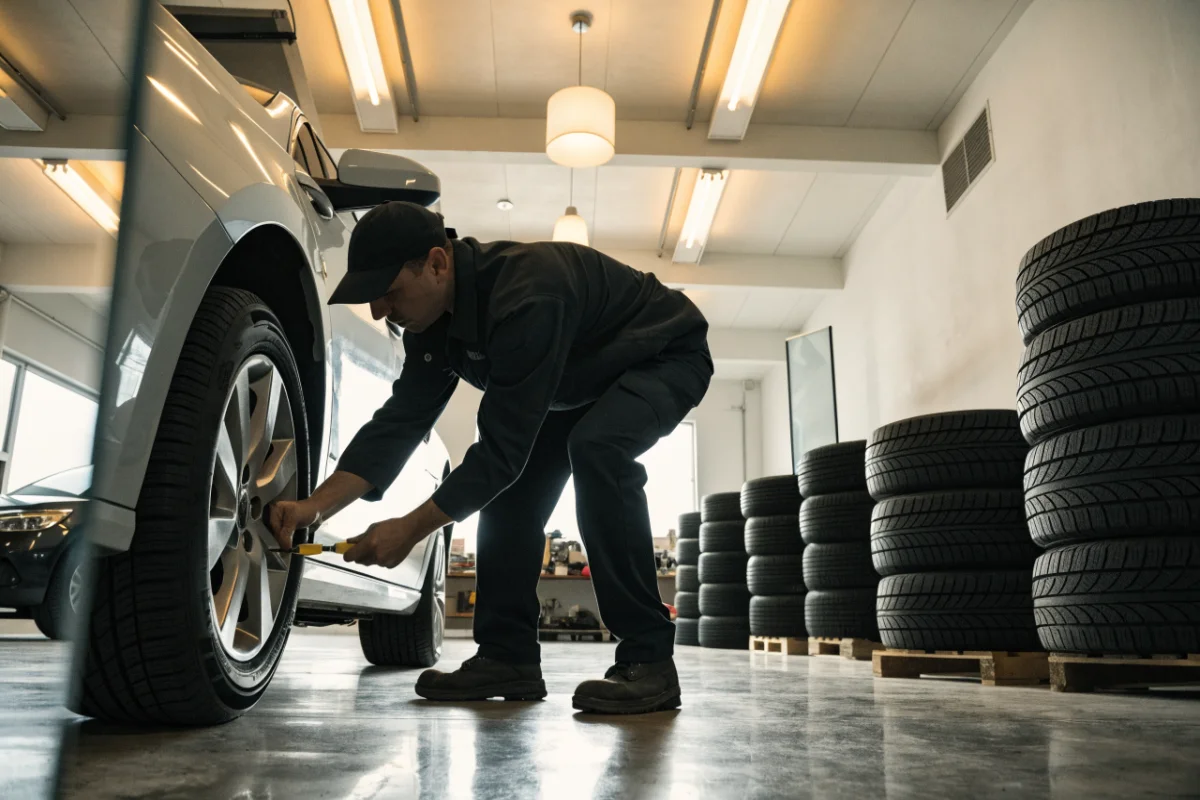
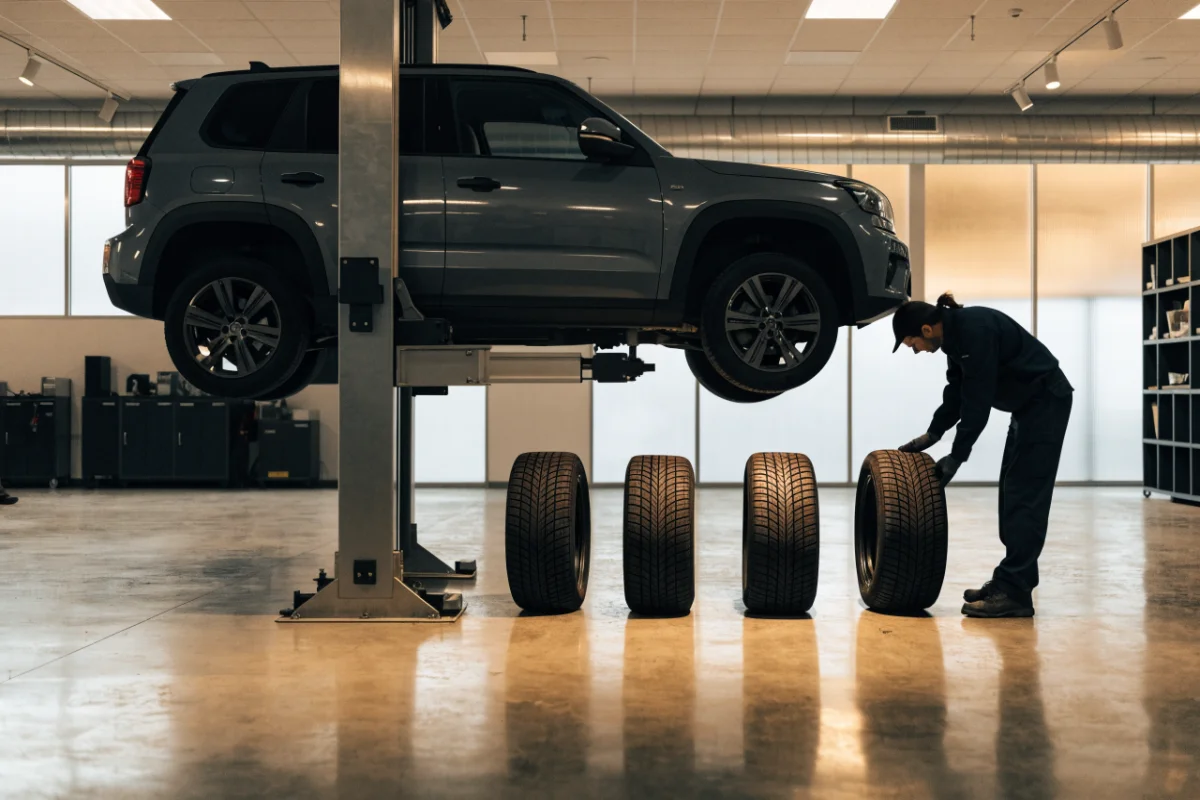
EVs are heavy, because of the battery, and electric motors deliver their pull instantly. Both of those factors are hard on tires, which can wear faster than on a comparable gas car. That makes regular tire rotation and keeping the correct pressure more important, not less. Alignment matters too, since a heavy car with worn alignment eats tires quickly. Tires are one area where an EV can actually cost a little more to keep up.
Brakes last longer, but still need checks
Here is a pleasant surprise: EV brakes often last far longer than on a gas car, because regenerative braking uses the motor to slow the car and recover energy, so the friction brakes do less work. But they still need inspection. Ironically, brakes that are used lightly can seize or corrode, especially through a salty winter, precisely because they are not used hard enough to clean themselves. So EV brakes need checking even though they wear slowly.
Fluids and filters still exist
An EV has no engine oil, but it is not fluid-free. Many use coolant to manage the temperature of the battery and power electronics, and that system needs checking and eventually servicing. There is brake fluid, which absorbs moisture over time and needs replacing on a schedule. Some EVs have gearbox or reduction-drive fluid. And the cabin air filter still gets dirty and needs changing for clean air inside. None of these are frequent jobs, but they are real.
The battery: care, not routine service
The high-voltage battery is the heart of an EV and does not need routine servicing, but it does benefit from good habits. Avoiding constant fast charging, not routinely charging to 100 percent or letting it sit at very low charge, and parking out of extreme heat where you can all help preserve its life. Our winters matter here too: cold temporarily reduces range and charging speed, and how you charge and park in the cold affects the battery. The battery is less about scheduled maintenance and more about informed ownership.
The twelve-volt battery still exists
One thing that surprises new EV owners: most EVs still have a small conventional twelve-volt battery that runs the computers, lights, and accessories, and it can fail just like any other, leaving you unable to start the car even with a full main battery. It is cheap and easy to replace, but it is worth knowing it is there.
What an EV service looks like
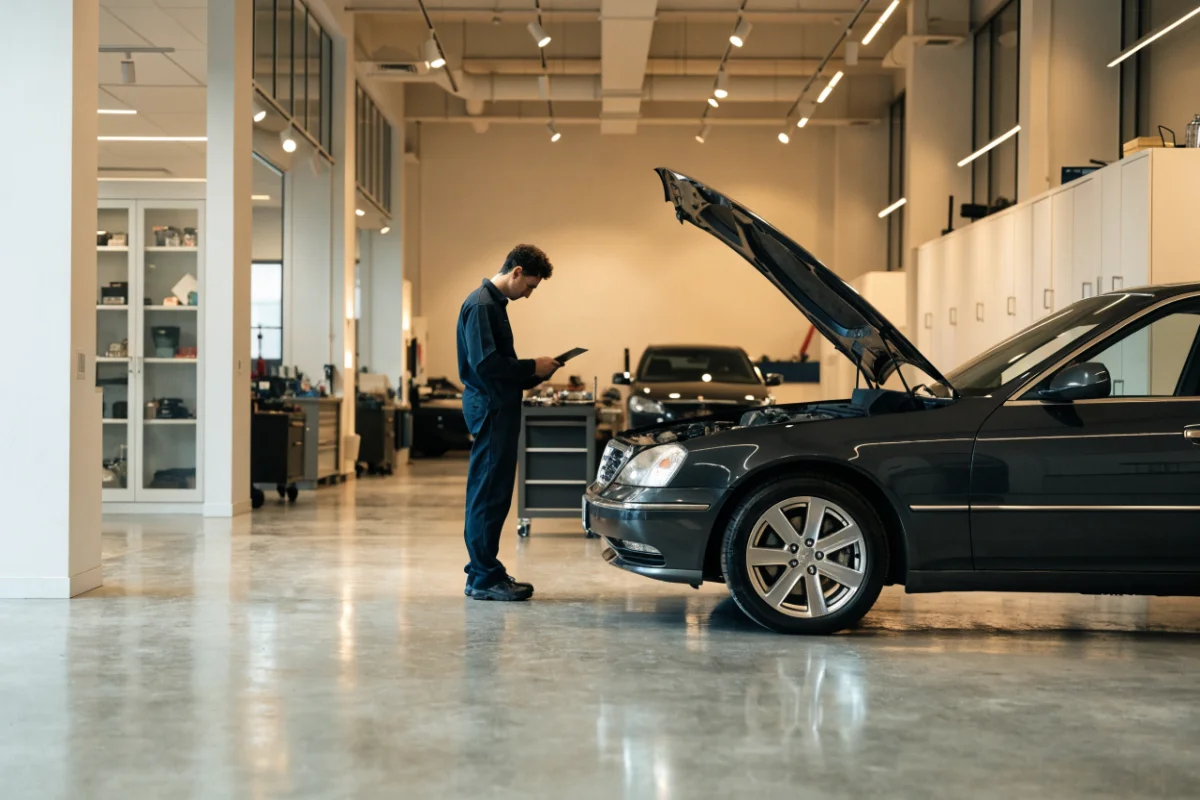
An EV service is shorter than a gas-car service but still worthwhile: a tire rotation and check, a brake inspection, a look at the coolant and brake fluid, a cabin filter when due, a battery and charging-system check, and a general inspection of the suspension and underbody. Done once or twice a year, it keeps the car safe and the running costs low.
The bottom line
Electric cars genuinely cost less to maintain, but less is not none. Keep up with tires, brakes, fluids, and the odd inspection, and treat the battery with good charging habits, and an EV will reward you with low running costs and few surprises.
Does an EV still need regular checkups?
Yes. Even without oil changes, an EV benefits from a professional inspection once or twice a year. A technician can spot uneven tire wear, catch brake corrosion before it becomes a problem, confirm the coolant and brake fluid are in good shape, and check the twelve-volt battery and charging behaviour. Because EVs are still newer to many owners, a checkup also gives you a chance to ask questions about charging habits and range. Think of it as light-touch maintenance: fewer jobs than a gas car, but the same value in catching small issues early.
If you drive an EV in Mississauga and want it looked after by people who understand electric vehicles, our EV repair and maintenance service in Mississauga can handle it, with a written quote before any work. Call FastLane Mechanics at (905) 624-4646.
For getting the most range through the cold months, see our guide on maximizing your EV battery lifespan in winter.